
Consell Català de Ressuscitació. Aula virtual
Lectura
Best Online Quran Classes for Kids: A Complete Guide for Busy Families
Modern family life can be busy. Children have school, homework, activities, family responsibilities, and time for rest and play. Finding enough time for Quran education can sometimes become difficult, especially when families have to travel to and from learning centers several times a week.
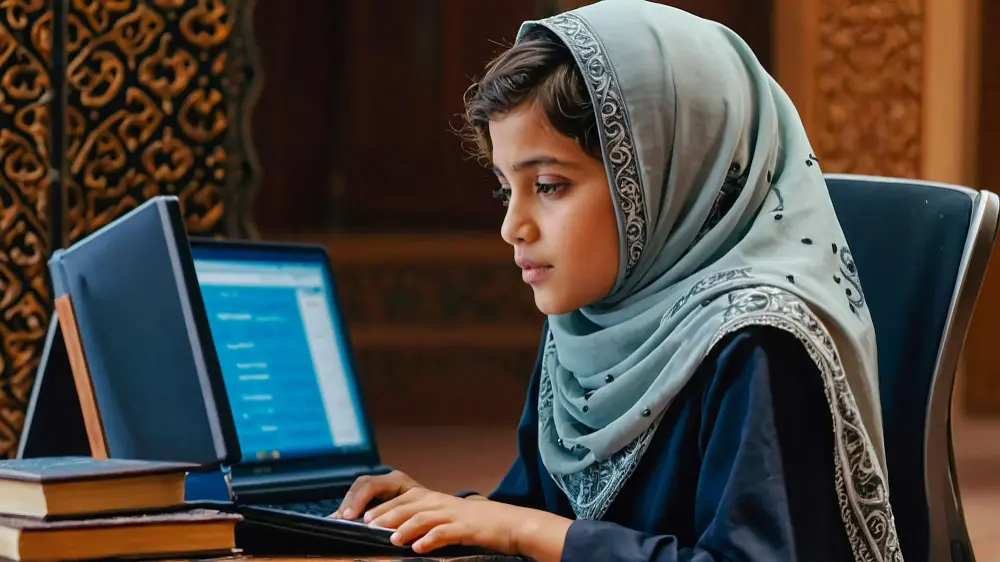
Online Quran education offers a practical way to make Quran learning part of a child's regular routine. Instead of spending time commuting, children can attend lessons from home with a teacher who guides them through reading, recitation, Tajweed, memorization, and other Islamic subjects.
However, not every online program provides the same experience. Families looking for the best online quran classes for kids should consider several factors, including lesson structure, teacher experience, flexibility, communication, learning goals, and the child's individual needs.
Understanding What Children Need From Quran Education
Children require a different approach to learning than adults. Young learners may have shorter attention spans and may need more repetition before they remember a new concept.
A Quran program designed specifically for children should therefore avoid treating young students like miniature adults. Lessons should be organized around their age, current abilities, and learning pace.
A beginner may need to start with Arabic letters and basic sounds, while another child may already be able to read the Quran but require help with Tajweed and pronunciation. Identifying this difference at the beginning can prevent unnecessary frustration.
Choosing a Program Based on the Child's Age
Age is an important consideration when selecting Quran lessons. A four- or five-year-old generally needs shorter and more interactive activities than an older child preparing for memorization.
For younger children, lessons may focus on recognizing Arabic letters, learning basic sounds, and developing familiarity with short Surahs. Older children can gradually move toward fluent Quran reading, Tajweed, memorization, and Islamic studies.
The best online quran classes for kids should provide an age-appropriate learning path instead of expecting every student to follow the same curriculum at the same speed.
Considering the Child's Current Level
A child who has never studied Arabic should not necessarily begin with the same material as a child who already reads the Quran.
Before selecting a long-term learning plan, parents should understand the child's current level. This may include recognizing Arabic letters, joining letters together, reading words, pronouncing Arabic sounds, applying basic Tajweed rules, or memorizing short Surahs.
Starting at the appropriate level allows children to experience progress without feeling that the material is either too difficult or too easy.
Looking for Individual Attention
One of the major advantages of online learning is the opportunity for personalized instruction. In an individual lesson, the teacher can hear the child's recitation clearly and identify specific pronunciation mistakes.
This is particularly important when children are learning Quranic Arabic. A small pronunciation problem can become a repeated habit if it is not corrected properly.
Personal attention also allows the teacher to adjust the lesson when the child needs additional explanation or practice. Instead of moving forward simply because the curriculum requires it, the teacher can spend more time on areas that need improvement.
Finding a Schedule That Fits Family Life
Consistency is more important than choosing the most intensive schedule possible. A child who attends lessons at a manageable time is more likely to remain committed over the long term.
Online classes can be arranged around school hours, homework, family activities, and other responsibilities. This flexibility can be especially valuable for families with multiple children.
Parents should choose a schedule that the child can realistically maintain. A balanced routine can make Quran learning feel like a natural part of the week rather than an additional burden.
Evaluating the Teacher's Communication Style
A knowledgeable teacher is important, but knowledge alone does not guarantee a good experience for a child.
Teachers working with children need patience and the ability to explain concepts in simple language. They should know how to correct mistakes without discouraging the student.
Positive communication can encourage children to participate actively. When students feel comfortable asking questions or admitting that they do not understand something, teachers can address problems before they become larger obstacles.
Making Reading the Quran a Gradual Process
Quran reading develops through several stages. Children first need to recognize Arabic letters and sounds. They then learn how letters connect and how vowel markings influence pronunciation.
After building these skills, children can gradually begin reading Quranic words and verses. Fluency develops through repeated practice rather than through rushing into difficult passages.
The best online quran classes for kids should therefore give children enough time to build a strong foundation before expecting advanced reading performance.
Introducing Tajweed at the Right Time
Tajweed is an essential part of accurate Quran recitation, but young children may find numerous rules difficult to understand at once.
A better approach is to introduce Tajweed gradually. Children can learn one concept, practice it, and then apply it while reading familiar verses.
As their understanding improves, additional rules can be introduced. This allows Tajweed to become part of their natural recitation instead of becoming a list of complicated terms they have to memorize.
Supporting Memorization With Regular Revision
Memorization can be rewarding for children, but learning new verses is only one part of the process. Regular revision is essential for maintaining what has already been memorized.
A structured memorization routine can divide the child's work into new material and previously learned passages. This helps prevent children from forgetting older Surahs while concentrating on new ones.
Parents can support memorization by creating short opportunities for revision throughout the week. Even a few minutes of consistent practice can reinforce material learned during the online lesson.
Keeping Children Motivated Over Time
Children's motivation can change from one week to another. A child may be excited about Quran learning at first and later become distracted by school or other activities.
Teachers and parents can help by setting realistic goals and recognizing effort. Progress does not always mean completing more pages. Improved pronunciation, better concentration, stronger memorization, and increased confidence are also meaningful achievements.
Small milestones can give children a sense of accomplishment and encourage them to continue.
Creating a Dedicated Learning Space
One simple way to improve online Quran lessons is to create a consistent study environment.
The child should ideally have a quiet place where distractions are limited. The device should be positioned comfortably, and the child should have the necessary learning materials ready before the lesson begins.
A familiar learning space can help children transition into study mode more easily. Over time, sitting in the same place for Quran lessons can become part of their routine.
Encouraging Healthy Parent-Teacher Communication
Parents do not need to teach every lesson themselves, but communication with the teacher can make the learning process more effective.
Teachers can explain what the child is doing well, where additional practice is needed, and what goals should come next. Parents can then reinforce those goals at home without creating unnecessary pressure.
This partnership can be especially useful when a child struggles with motivation, pronunciation, memorization, or maintaining a regular practice routine.
Preparing Children for Independent Learning
The long-term goal of Quran education should include developing independence.
As children become older, they should gradually learn how to review their memorization, practice difficult words, listen to their recitation, and recognize areas that require improvement.
A teacher can guide this process by gradually giving the student more responsibility. This helps children develop learning habits that can remain useful even when they no longer need constant supervision.
Making Quran Education Part of Everyday Life
Quran learning becomes more meaningful when it is not limited to the exact minutes of an online class.
Families can encourage children to listen to Quran recitation, review short Surahs, practice Duas, or discuss simple Islamic values at appropriate moments.
These activities do not need to become additional formal lessons. Their purpose is to help children understand that Quran education is connected to everyday life.
Questions Parents Often Ask
What should parents look for in online Quran classes?
Parents should consider the teacher's qualifications and experience with children, the lesson structure, flexibility, curriculum, progress tracking, and whether the teaching approach matches the child's age and personality.
How often should children attend Quran classes?
The ideal frequency depends on the child's age, goals, school schedule, and ability to practice between lessons. A consistent schedule that the child can maintain is usually more useful than an overly intensive routine that quickly becomes difficult.
Can beginners learn Quran online?
Yes. Beginners can start with Arabic letters, sounds, and foundational reading skills before progressing to Quranic words and verses. A structured beginner pathway can make the process easier for children with no previous Quran education.
Is online Quran learning suitable for siblings?
It can be. Some families prefer individual lessons so that each child receives instruction according to their level. Other families may prefer coordinated schedules so siblings can develop similar routines.
How can parents keep children interested?
Parents can encourage children without making every lesson feel like a test. Celebrating progress, maintaining a consistent schedule, allowing short practice sessions, and choosing a patient teacher can all contribute to a more positive experience.
Conclusion
Finding the best online quran classes for kids requires more than choosing a convenient class time. The right program should consider the child's age, current Quranic level, learning pace, personality, and long-term goals.
Online Quran education can give families the flexibility they need while providing children with personalized guidance from home. With a suitable teacher, a realistic schedule, regular revision, and positive encouragement, children can gradually develop stronger Quran reading, Tajweed, recitation, and memorization skills.
The most valuable outcome is not simply completing a curriculum. It is helping children develop confidence, discipline, and a positive connection with Quran learning that can continue throughout their lives.